Logos are the visual cornerstones of brands, encapsulating their essence and identity in a single, memorable image. Whether you’re a seasoned designer or just beginning your logo design journey, understanding the fundamental principles of logo design is crucial. In this article, we’ll delve into ten essential principles that can help you craft compelling and effective logos.
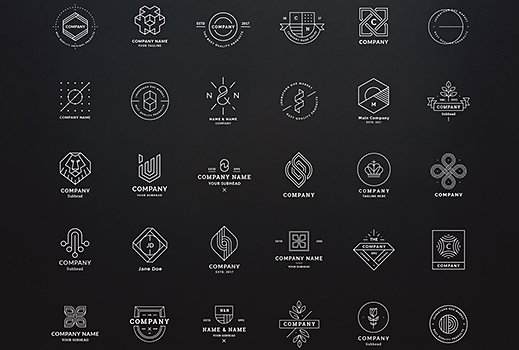
Effective Logo Design Principles
1. Simplicity:
Simplicity is the core of a successful logo. It entails stripping away unnecessary elements and complexities to create a design that is clean, uncluttered, and easy to grasp at first glance. A simple logo is memorable and versatile, making it easily recognizable across various applications and scales. Think of the simplicity in the Nike swoosh or the iconic Apple logo – their minimalist designs instantly convey their brands’ identities. Simplicity ensures that your logo doesn’t overwhelm the viewer with intricate details but instead leaves a lasting impression.
2. Memorability:
Memorable logos are those that stick in the minds of viewers. Achieving memorability often involves crafting a unique and distinctive design that is not easily forgotten. Memorable logos can be recognized at a glance and are associated with the brand they represent. Consider logos like the McDonald’s golden arches or the Twitter bird – they are etched into our collective memory due to their distinctiveness. Creating a memorable logo requires careful consideration of the visual elements, ensuring that they are striking and align with the brand’s identity.
3. Timelessness:
A timeless logo is one that doesn’t succumb to the trends and fads of the moment. It’s designed to endure and remain effective over the long term. Achieving timelessness involves avoiding design elements that might quickly become outdated. For instance, using a highly stylized font that’s trendy today but might look dated in a few years could undermine the logo’s longevity. Timeless logos often have classic and enduring elements that transcend design trends.
Designers often achieve timelessness by focusing on the core values and identity of the brand rather than chasing fleeting design trends. A good example is the IBM logo, a simple and timeless design featuring the company’s initials in a clean, distinctive font. It has been in use since the 1950s, demonstrating how a timeless logo can remain relevant and recognizable for decades. By focusing on simplicity, enduring typography, and a strong visual identity, a logo can continue to represent a brand effectively even as design trends evolve.
4. Versatility:
Versatility in logo design ensures that the logo works well in various contexts, sizes, and mediums without losing its clarity or visual impact. This means that the logo should be easily scalable, whether it’s displayed on a small business card or a massive billboard. Achieving versatility requires careful attention to detail in the logo’s design elements.
A versatile logo should look equally impressive in black and white as it does in color. It should adapt seamlessly to digital and print applications, from websites to brochures, ensuring a consistent and cohesive brand identity. Versatility is essential because it allows a logo to maintain its effectiveness across a wide range of marketing materials, enhancing brand recognition and ensuring that the logo always represents the brand in the best possible way.
5. Relevance:
A relevant logo is one that aligns with the brand’s identity, values, and message. It resonates with the target audience and is suitable for the industry in which the brand operates. Achieving relevance means that the logo effectively communicates what the brand stands for and helps potential customers connect with it on a deeper level.
To create a relevant logo, designers must understand the brand’s mission and values, as well as the expectations and preferences of the target audience. For example, a playful and colorful logo may be appropriate for a children’s toy company but not for a law firm. The color choices, typography, and overall style of the logo should reflect the brand’s personality and the emotions it wants to evoke in its audience. A relevant logo ensures that the brand’s message and identity are communicated clearly and effectively, making it easier for customers to relate to and engage with the brand.
6. Uniqueness:
Uniqueness is the quality that sets your logo apart from competitors and ensures it is easily distinguishable. In a crowded marketplace, having a unique logo is vital to capture the attention of potential customers and create a memorable impression. To achieve uniqueness, designers must avoid common design clichés and elements that might make the logo appear generic or indistinguishable from others in the same industry.
Creating a unique logo often involves thinking outside the box and seeking inspiration from unconventional sources. The goal is to develop a visual identity that is distinct and instantly recognizable. Unique logos become powerful symbols of your brand, helping build strong brand recognition and loyalty among customers who associate that logo with your products or services.

7. Consistency:
Consistency in logo design relates to the harmonious use of design elements, such as colors, typography, and overall style, across all brand materials and touchpoints. Maintaining a consistent visual identity is essential for brand recognition and trust. When customers encounter your logo, they should immediately connect it with your brand, no matter where they encounter it.
Consistency extends beyond the logo itself; it encompasses the entire brand identity. The color palette, fonts, and design elements used in marketing materials, websites, packaging, and more should align with the logo’s design. This uniformity ensures that your brand presents a cohesive and professional image, making it easier for customers to remember and trust your brand. Consistency is a cornerstone of effective branding, and it reinforces the message and values your logo represents.
8. Flexibility:
Flexibility in logo design refers to the logo’s ability to adapt to various contexts, sizes, and applications while maintaining its integrity and visual appeal. A flexible logo should work equally well in different color schemes, including black and white. It should remain clear and recognizable whether it’s displayed on a tiny mobile screen or blown up on a billboard.
Designers often achieve flexibility by creating simplified versions or variations of the logo for specific applications. For example, a stacked version of a logo might be used in situations where horizontal space is limited, like on social media profiles. A flexible logo ensures that your brand maintains a consistent and professional appearance across diverse marketing channels and materials, enhancing brand recognition and trust.
Consider how your logo will appear in a variety of contexts, and design it to adapt gracefully to each one. Flexibility is essential for ensuring that your logo consistently represents your brand effectively, regardless of where and how it’s used.

Logo Design Principles – In a Nutshell
Logo design is a fascinating blend of art and strategy. These ten principles provide a solid foundation for creating logos that not only look great but also effectively communicate a brand’s identity. Whether you’re designing for a small business or a global corporation, keeping these principles in mind will help you craft logos that stand the test of time and leave a lasting impression.
Reference Links:
https://www.webfx.com/blog/web-design/create-a-logo-design-from-start-to-finish/
https://www.adobe.com/creativecloud/design/discover/logo-ideas.html
http://www.zealoteck.com/importance-of-branding-for-businesses/
https://99designs.com/blog/tips/types-of-logos/
https://www.freelancewebdesigner.biz/freelance-logo-designer/






 Good business ideas | Best business ideas